

Residential Soundproofing for a Quieter Home
Unwanted noise can affect sleep, concentration and everyday comfort. Our residential soundproofing service helps homeowners and landlords in Sutton and across Greater London reduce noise travelling through walls, floors and ceilings. We assess the source, type and transmission path of the sound before recommending an appropriate system for the property.
Specialist Experience for Your Home
- 20 years of specialist soundproofing experience
- 680+ positive Checkatrade reviews
- Two-year guarantee on completed installations
- Solutions for walls, floors and ceilings
- Experience with flats, houses and period conversions
- Systems selected around the property and type of noise
- Professional installation with practical advice before work begins
Discuss your noise problem on 0800 152 2234 or email [email protected].
What Noise Problems Can We Help With?
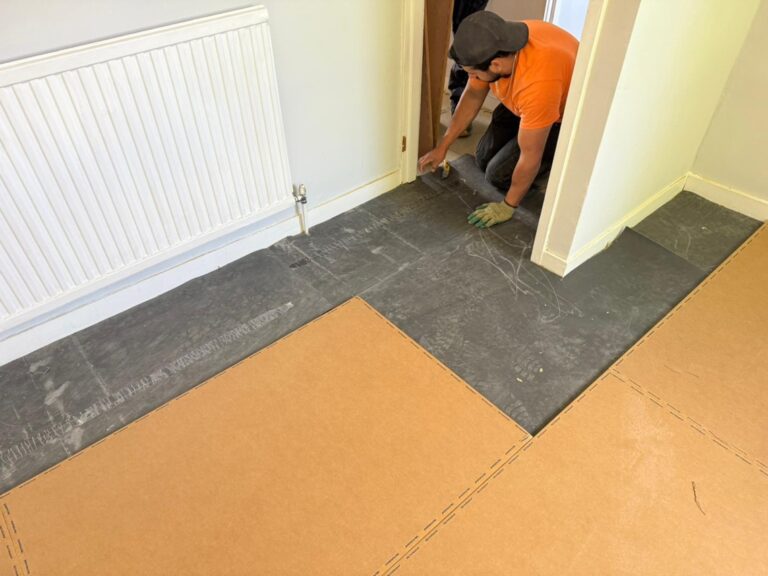
Residential noise does not always travel directly through the surface where it appears loudest. Sound can pass through shared walls, floors, ceilings and connected structural elements, so identifying the transmission route is an important first step.
We regularly provide solutions for problems including:
- Conversations and televisions heard through adjoining walls
- Music and neighbour noise
- Footsteps and movement from the floor above
- Sound travelling between different storeys
- Noise affecting bedrooms and living areas
- Disturbance in flats and converted properties
We distinguish between airborne noise, such as speech, television and music, and impact or structure-borne noise, such as footsteps and movement. Properties can experience both, and the appropriate treatment depends on how that sound is reaching the affected room.
Soundproofing Different Parts of Your Home
The right residential acoustic treatment depends on the surface involved, the building construction and the source of the disturbance.
Shared Walls
Our wall soundproofing solutions can reduce noise passing through adjoining walls in flats, terraced houses and semi-detached homes. Layered systems may combine acoustic absorption, added mass and resilient isolation to limit sound transmission.
Between Floors
Our floor soundproofing solutions address airborne and impact sound travelling between storeys. Timber and concrete floors behave differently, so the existing construction is considered when specifying the treatment.
Noise from Above
Where disturbance is coming from an upstairs property and treating the floor above is impractical, ceiling soundproofing may provide an alternative. This is particularly relevant for flats, conversions and bedrooms beneath busy living spaces.
How We Approach Residential Noise
Effective treatment starts with diagnosis rather than choosing an acoustic product first.
We consider the type of noise, where it originates, the construction of the property and possible flanking paths through adjoining surfaces. This helps establish which area should be treated and whether more than one transmission route needs attention.
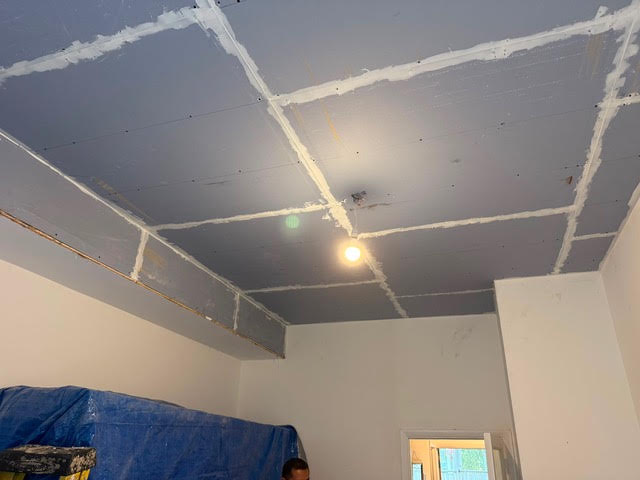
Once the problem has been assessed, we recommend an appropriate system and provide a clear, no-obligation quotation. The agreed installation is then completed professionally, with the finished work covered by our two-year guarantee.
The objective is meaningful noise reduction rather than complete silence. Suitable systems can achieve reductions of up to 90% where conditions allow, but actual performance depends on the building, sound source and transmission paths.
Experience Across Different Types of Homes
Our residential work covers a wide range of property types, from modern developments to much older buildings.
Period conversions are an important part of our experience. These properties can present complex acoustic problems because sound may travel through suspended floors, joists, shared masonry, ceilings and adjoining structures.
We also work with flats, terraced and semi-detached houses and other residential properties. Rather than applying the same specification everywhere, we consider how the individual building carries sound before recommending treatment.
Residential Soundproofing Across Our Service Area
We are based in Sutton and work with residential customers across a broad service area, including:
- Sutton
- Greater London
- Areas as far south as Brighton
- Areas as far north as Watford
Coverage can vary according to the project, so speak to our team if you would like to confirm availability for your property.
Frequently Asked Questions
Can You Completely Soundproof a Home?
No. Soundproofing is designed to reduce unwanted noise rather than create complete silence. The achievable improvement depends on the noise source, frequencies involved, building construction and whether sound is travelling through other structural routes.
Which Surface Should Be Soundproofed?
It depends on how the sound is entering the room. Noise from next door may require wall treatment, while footsteps from above could involve the ceiling or floor. An assessment helps identify the most relevant transmission route before work is specified.
Is Soundproofing Suitable for Flats?
Yes. Flats commonly experience airborne and impact noise through shared walls, floors and ceilings. The existing construction and source of the disturbance should be assessed before deciding which surface or system to treat.
Can You Soundproof Period Properties?
Yes. We have extensive experience with period conversions and older properties. Their construction can create additional transmission paths, so treatment needs to reflect the actual structure rather than relying on a standard system.
How Much Does Residential Soundproofing Cost?
The cost depends on factors including the area being treated, existing construction, type of noise and acoustic system required. We provide a no-obligation quotation once the requirements of the property have been assessed.
Take the Next Step Towards a Quieter Home
If neighbour noise, footsteps or sound between rooms is affecting life at home, identifying how that noise is travelling is the right place to start. With 20 years of specialist experience, we can assess the problem and recommend a practical solution suited to your property.